ERP Enhancement
Find an ERP enhancement or ERP add-on to address a unique business process.
We connect you with the right ERP expert.

ERP pricing varies by system, user count, features, deployment type, vendor pricing model and your business type/location. ERP costs often range from $5,000 to $500,000+, including licensing, implementation, training and related setup costs.
1. Number of Users
The cost of the ERP system depends on the number of users. Typically, as the number of users increases, licensing costs rise.
2. Industry and Complexity
Certain industries face specific challenges in finding the right ERP. They may need a flexible, industry-specific or customized system. Multiple business lines also affect the cost.
3. Number of Locations
If your company has multiple locations, consider how this may affect ERP system pricing. Review the vendor's pricing model to understand how costs change when operating in multiple locations.

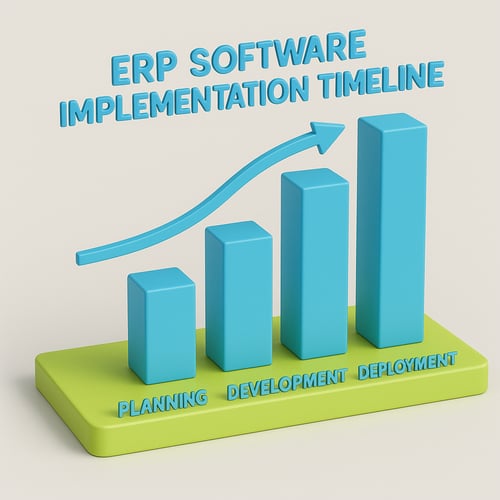
ERP timelines vary based on project scope and the amount of change your business can handle. An experienced ERP consultant can plan testing, training and change management early to avoid delays.
1. Scope of the Project
Are you implementing a few modules (e.g., accounting, inventory) or a full suite? The more modules = the longer the timeline.
2. Customization Requirements
Off-the-shelf implementation is faster. Consider that custom workflows, reports or integrations will extend the timeline.
3. Data Migration
The amount and complexity of legacy data can be a major bottleneck. Poor data quality = more time cleaning, mapping and testing.
4. Internal Resources
Check to make sure your staff is prepared for change and has the time and capacity to get trained and up and running.
5. MORE...
Unexpected delays and requests for additional features or add-ons can drive costs up and delay the go-live date.

An ERP consultant provides expert guidance throughout the ERP lifecycle from selection to post-implementation. Here’s how they help at each stage:
1. ERP Selection Support
An ERP consultant identifies business needs and pain points, defines functional and technical requirements, compares ERP vendors objectively, builds RFPs and evaluates proposals and helps plan the budget and timeline.
2. Implementation Planning & Execution
An ERP consultant creates a project roadmap and timeline, configures the ERP system around your business processes, manages data migration and system integration and provides project management and risk mitigation.
3. Change Management & Training
An ERP consultant trains end users on the new system, develops SOPs and user documentation and coaches leadership on managing organizational change.
4. Post-Go-Live Support
An ERP consultant helps with bug fixes, system tuning and reporting issues, offers optimization guidance as your business evolves and assists with upgrades and feature expansion.